
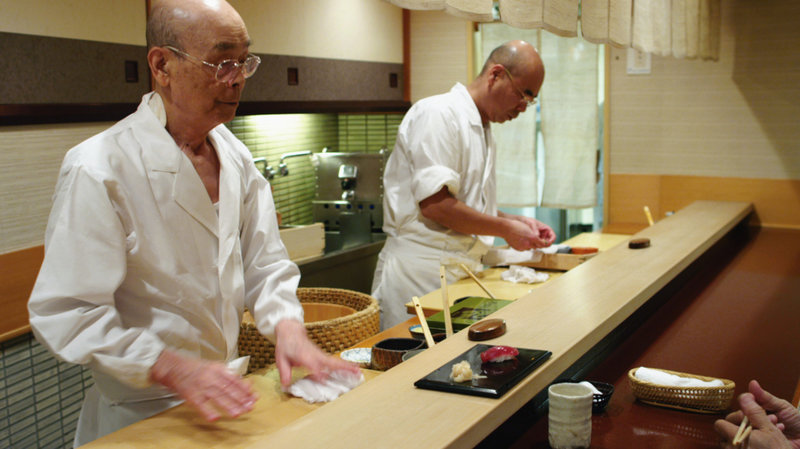
This week I watched a documentary film called Jiro Dreams of Sushi. I’ve always been a big foodie all my life and sushi is one of my favorite foods so this documentary stuck out to me. The film follows Jiro Ono, a sushi chef at Sukiyabashi, a Michelin three-star restaurant. The restaurant is located in a Tokyo subway station, which I found interesting. It’s not in a large grandiose location, but a small and simple 10 seat only place.
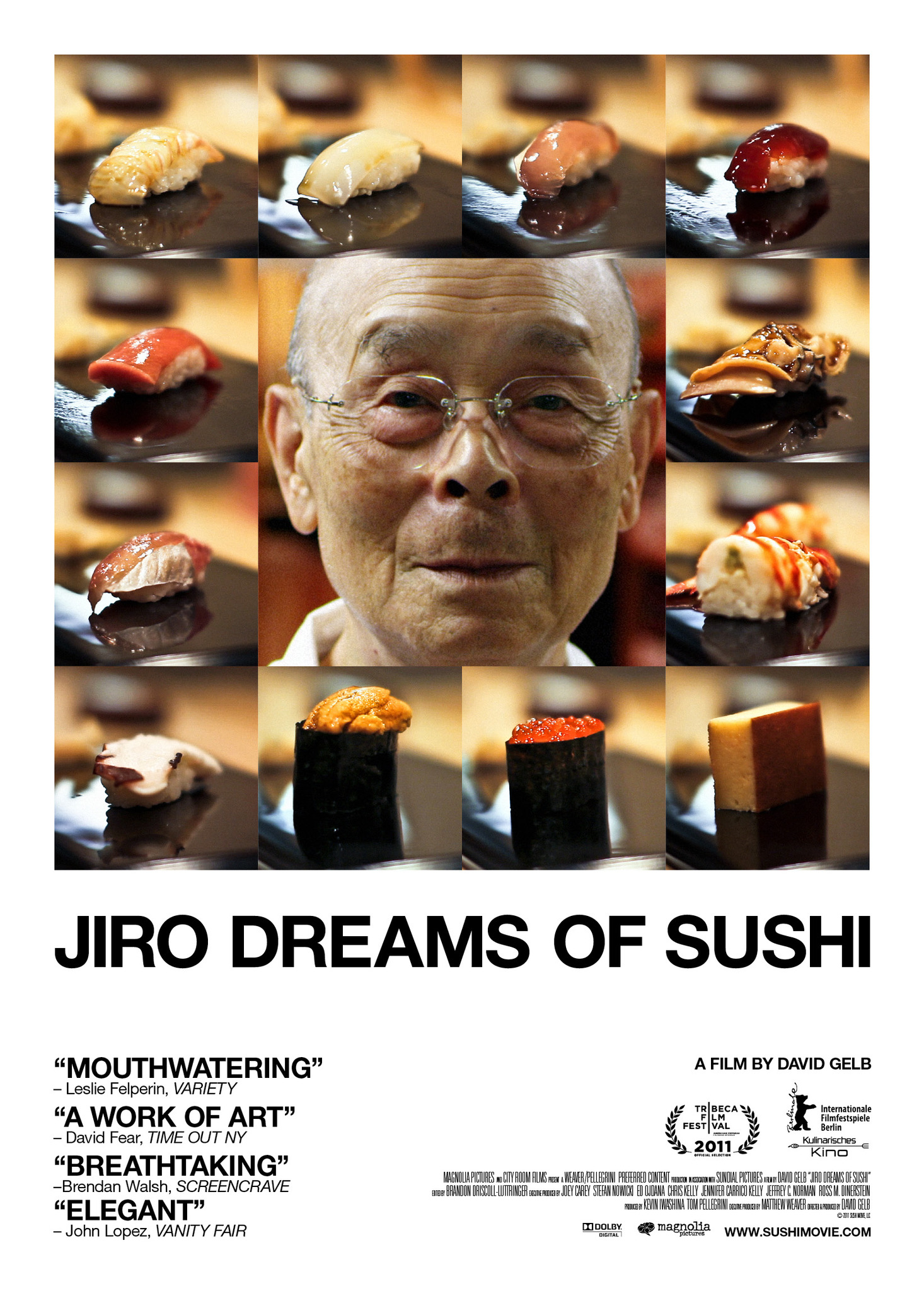
Jiro is a very disciplined chef who loves what he does. It’s even said in the documentary that he hates holidays and just wants to get back to work. I really admire his passion for perfection in his work. I was super impressed that Jiro was 85 in the documentary and still working almost every single day. The documentary was in 2011, and he is 94 now. I don’t doubt that he is still at the shop every day making sure it is run to perfection. I thought it was funny that he said he would not retire unless customers see him and think that he looks too senile to work or if he looks bad on tv. Most people grow tired of what they do and look forward to retirement, but not Jiro Ono!

A quote that stuck out to me was when Jiro said “I feel ecstatic all day, I love making sushi. That is the spirit of the shokunin.” I think that’s amazing that Jiro feels such a strong passion for what he does. I’m not at the point in my life where I have started my career and can relate to that feeling, but I truly hope that I can get there eventually and love coming to work every single day. He even states that he has never once hated the job. Throughout the documentary he is shown constantly smiling and laughing and full of life.
Shokunin is a Japanese word that in short, translates to a “mastery of one’s profession”; someone that is devoted to their craft.
Jiro Ono worked incredibly hard to get to where he is. At 9 years old, he was told to leave his house and work to stay alive. His story coming from nothing and creating a successful Michelin star level restaurant is incredible! After World War II, he was bored with the current sushi and went on to invent new techniques and types of sushi.
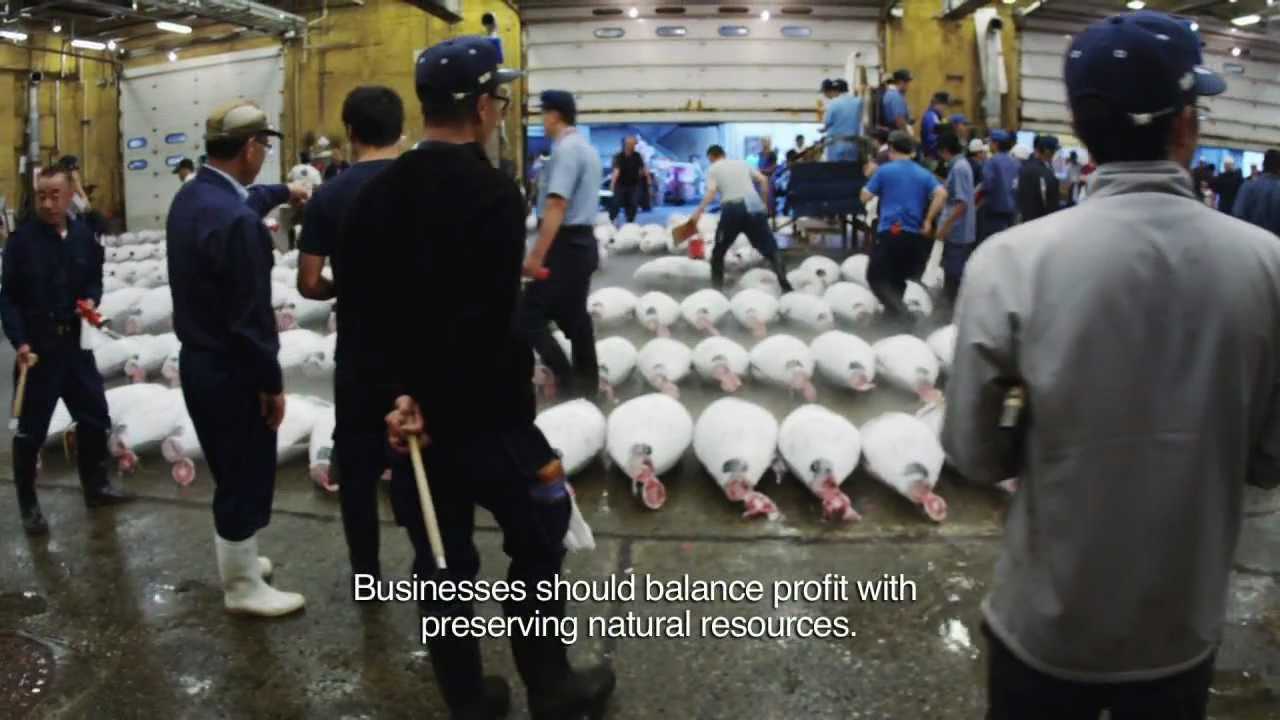
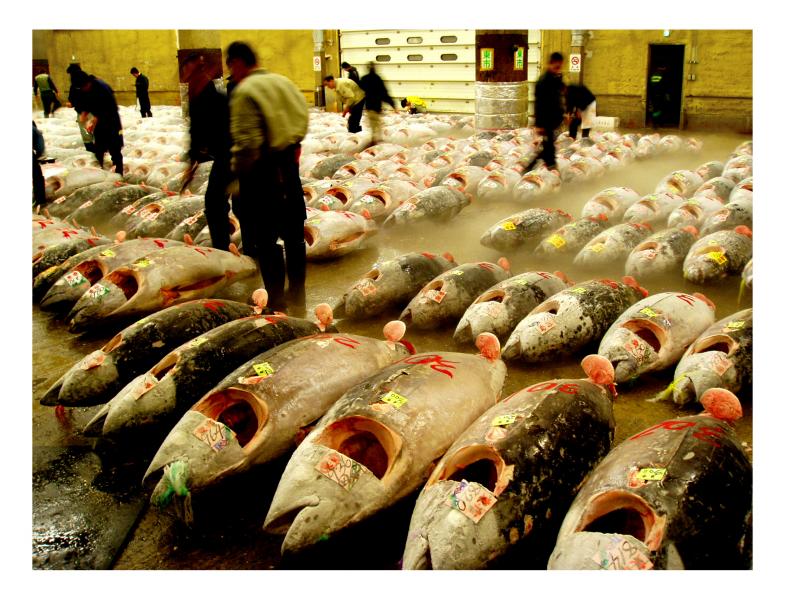
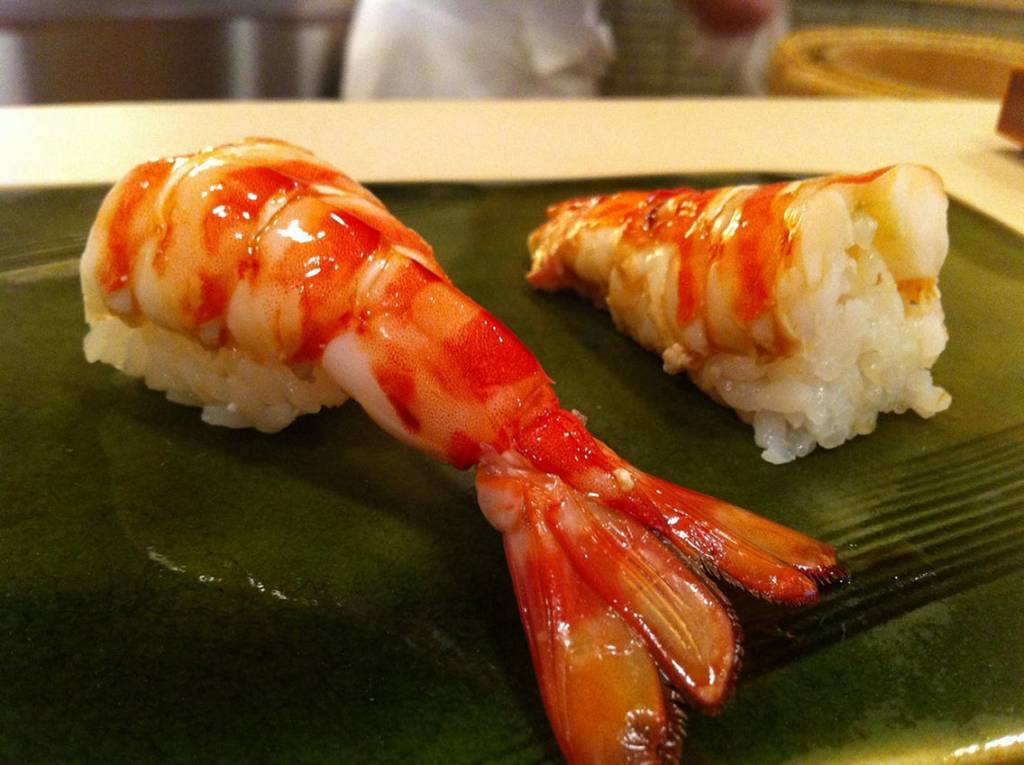
I loved the fish market scene. I didn’t know how in-depth the process for selecting a tuna was and I enjoyed seeing the ins and outs of how they select the best ones. It also showed how respected their restaurant is. All the high-quality fish were saved for them. There was a shortage of shrimp in the market and only about 6 kilograms were delivered, and Jiro’s restaurant was able to secure all of it.
It was a definitely big mistake watching this film on an empty stomach! And knowing that there isn’t any good sushi restaurant like Jiro’s near me made it feel like absolute torture. It was said that Sukiyabashi doesn’t do anything crazy. You don’t see them putting on a full performance at their meals. Instead, they use regular techniques that are perfected and use the highest quality ingredients that complement each other. Every technique is refined to produce the best aromas, tastes, textures and more. For example, the octopus used to be massaged for 30 minutes, but then Jiro found that massaging to 40-50 minutes produces a better texture. It’s the little things that I would never think about. Maybe if I study these techniques and can appreciate the process I will be worthy to have a meal at Sukiyabashi.
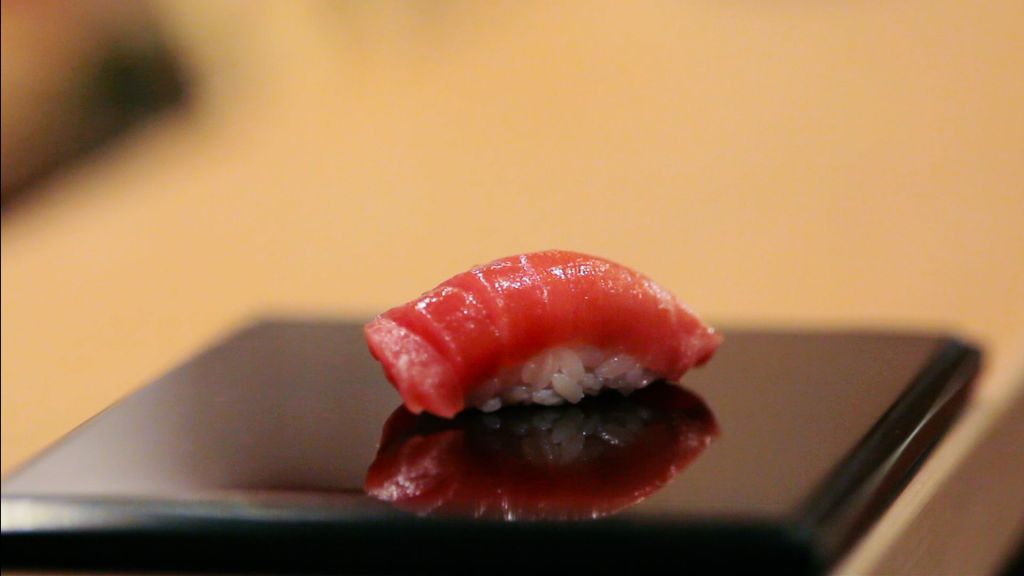
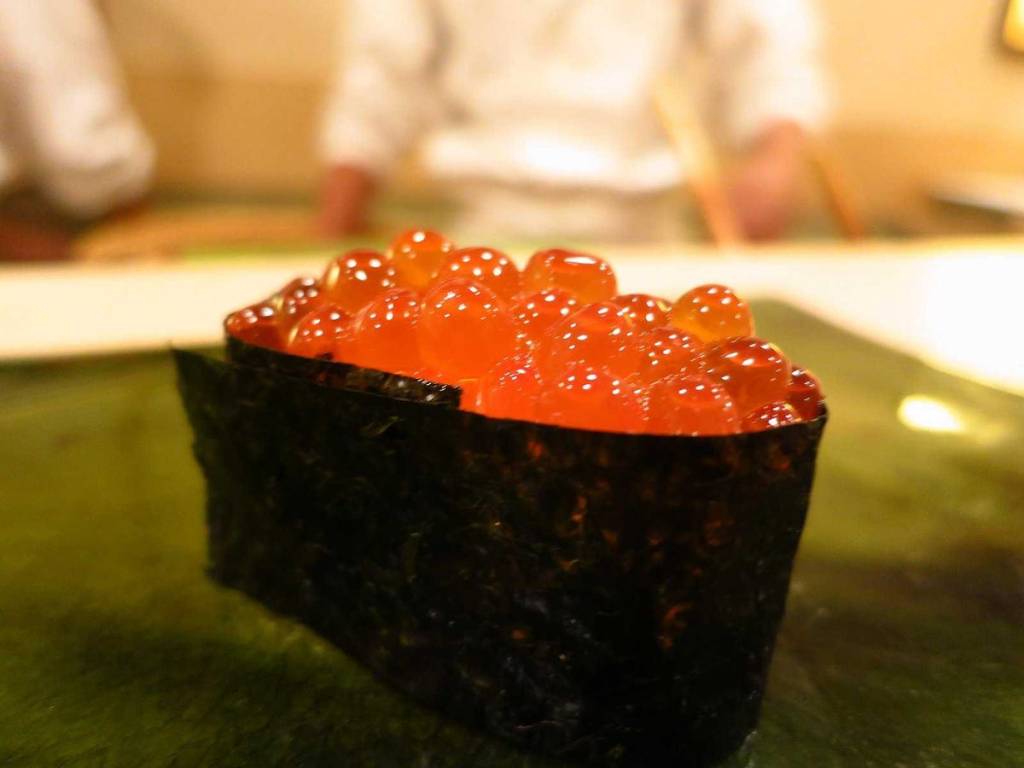
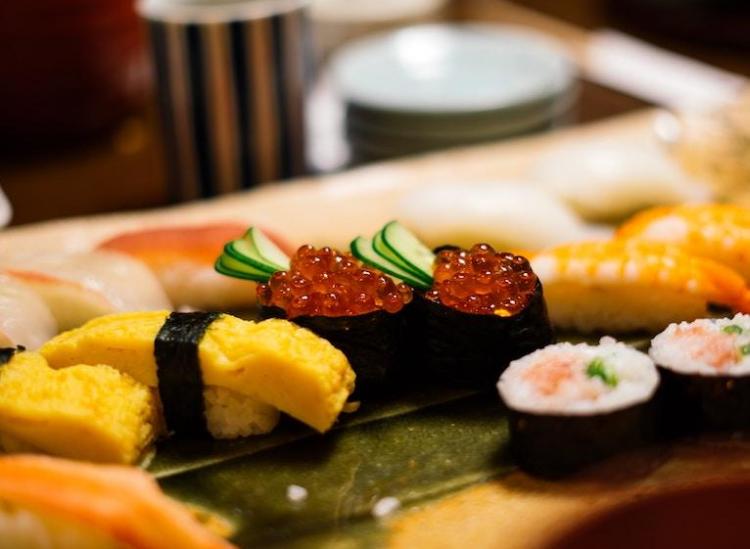
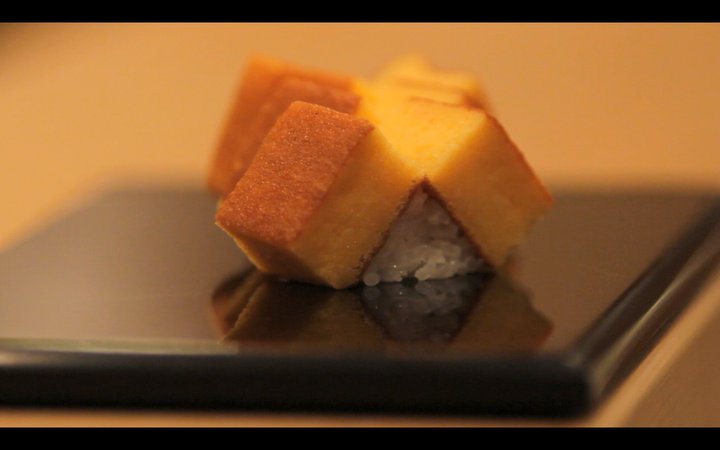
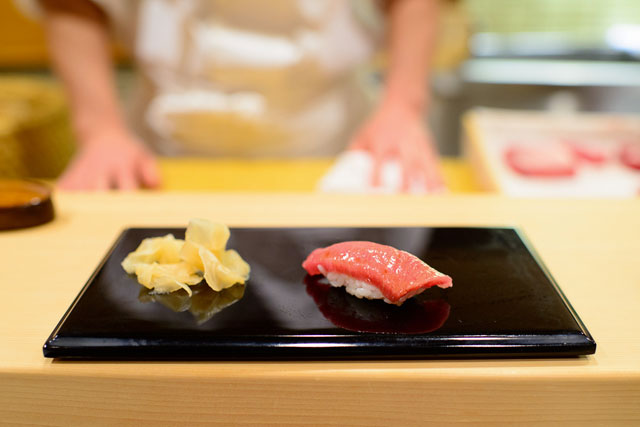
Lastly, I’ll talk about the meal; the really torturous scenes on my taste buds and my stomach. The meal was described as a concerto. In the first movement, classic items like tuna are served. In the next movement, fresh catches of the day, seasonal items, and a mix of raw and cook items were served. In the last movement, eel, kanpyo and egg were served as the traditional finale.
Overall, I give this film 10 sushi’s out of 10! I hope to one day save up to go to Japan and eat at Sukiyabashi. Until then I can only dream of the amazing food I hope to eat.
🍣🍣🍣🍣🍣🍣🍣🍣🍣🍣(10)/10
 Movies with Mendelsohn